bobbyexcavation

Comparison of Drilling and Demolition Service Costs in Melbourne, Australia

Comparison of Drilling and Demolition Service Costs in Melbourne, Australia

When planning construction or renovation projects, understanding the costs behind essential services like drilling and demolition services in Melbourne is invaluable. This blog offers a thorough look into these service costs, providing clear explanations to help both homeowners and contractors make well-informed decisions. Knowing what influences pricing, how to choose the right service provider, and ways to save can ease the financial and logistical challenges of construction. Whether your project involves minor drilling or large-scale demolition, this post covers key details that empower you with practical knowledge to confidently manage your budget and expectations.

Understanding the Basics of Drilling and Demolition

Grasping the fundamentals of drilling and demolition services in Melbourne lays the foundation for making smart choices. These processes, although common in construction, each have unique roles that significantly affect the outcome and cost of your project.

What is Drilling and Its Purpose?

Drilling involves creating precise holes in materials such as concrete, timber, or metal. This process is key to installing essential systems within a structure. For example, electricians rely on drilling to route wiring safely inside walls, plumbers need it to fit pipes through solid sections, and builders use holes to anchor supports firmly. Skilled drillers in Melbourne use specialized tools suited for different materials, ensuring speed and accuracy. Drilling isn’t just for new builds; many renovation tasks depend heavily on accurate drilling to integrate new components with existing structures. This precision reduces the chances of costly errors or delays.

Overview of Demolition Services in Melbourne

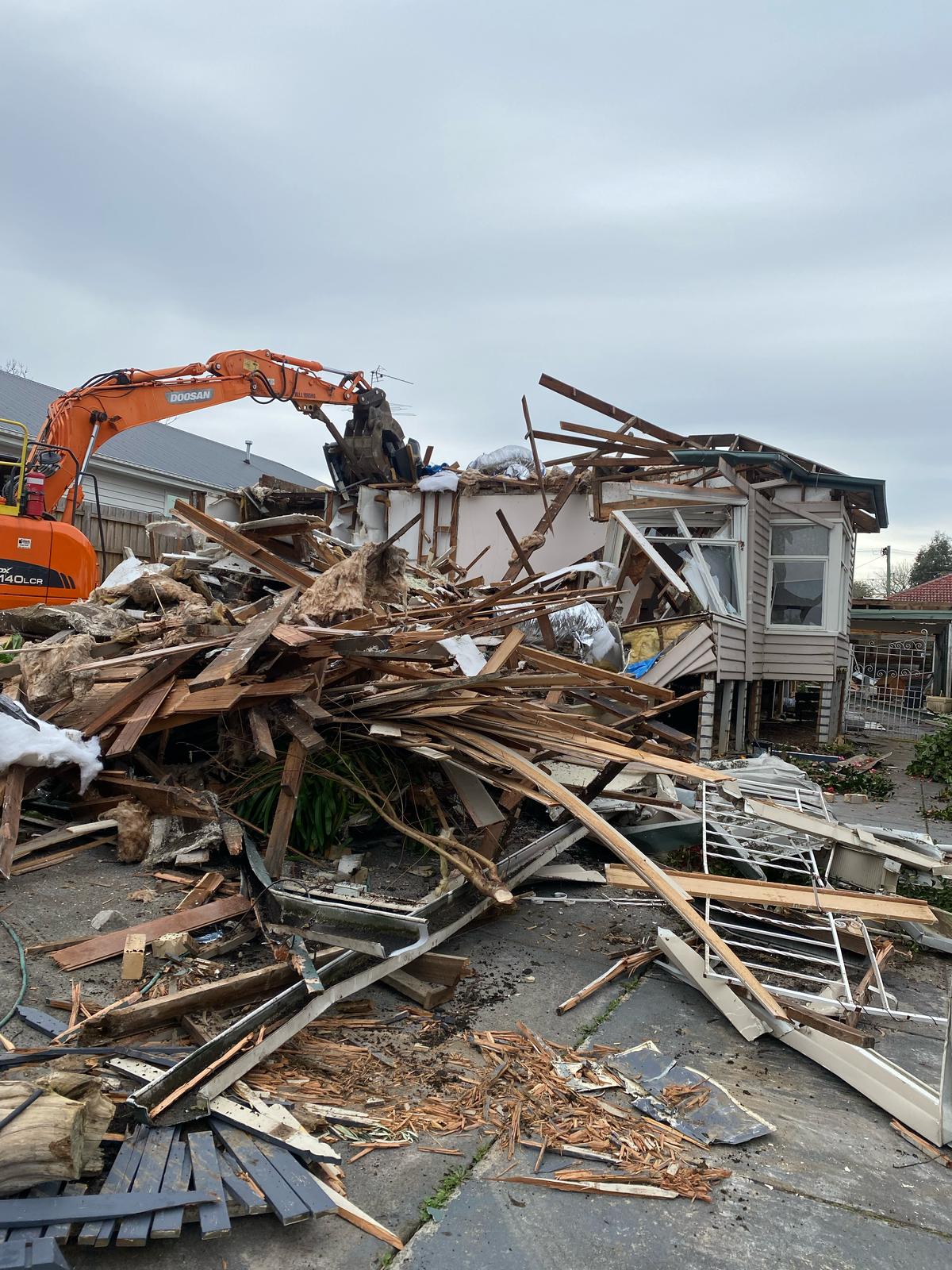
Demolition services in Melbourne cover the removal or dismantling of buildings and other structures. These services range from small-scale partial demolition, such as removing a wall, to complete demolition of entire buildings, or selective demolition targeting specific unsafe components. Melbourne contractors focus on safety, environmental friendliness, and following stringent local rules during demolition. In many cases, demolition serves as the first step to clear space for new projects or to safely address dangerous elements like asbestos. By partnering with qualified demolition experts, you protect your property, neighbors, and workers while ensuring the project proceeds without legal complications.

The Importance of Choosing the Right Service

Selecting the right provider for drilling and demolition directly impacts project success. Trusted companies bring experience, proper licensing, insurance, and equipment that reduce risks and improve efficiency. Before hiring, look at past projects similar to yours and review customer feedback. This due diligence helps avoid problems such as delays caused by unskilled workers or damage due to inappropriate tools. In Melbourne, regulations can be strict, so having a contractor familiar with local rules and who prioritizes safety can save money and stress in the long run.

Key Factors Influencing Service Costs

Multiple factors affect the price you’ll pay for demolition services in Melbourne or drilling work. Understanding these gives you leverage to budget realistically and anticipate changes before they arise.

Size and Scope of the Project

The extent of your project primarily determines costs. Large demolition projects, such as tearing down multi-floor commercial buildings, require more labor time, heavy machinery, and permits, leading to higher expenses. Small-scale drilling, like adding anchor points for a residential renovation, often costs less but can still vary based on detail and precision required. Clearly defining project boundaries and goals allows service providers to give more accurate quotes and helps you avoid costly surprises from scope changes midway.

Type of Materials Involved

The nature of materials significantly influences pricing. Concrete and steel demand tougher drilling equipment and demolition techniques, which increase costs relative to softer materials like wood or drywall. Handling hazardous materials, such as asbestos, adds further to expenses due to necessary safety measures and disposal regulations. Knowing what materials are present or planned enables contractors to prepare properly and offer realistic pricing, which you can then compare among providers.

Site Accessibility and Location Considerations

Access to the work site can affect costs more than many expect. If the area is cramped, has narrow roads, or parking restrictions, moving equipment and materials can become trickier and time-consuming. This uptick in logistics increases labor hours and operational challenges. Additionally, service costs fluctuate across Melbourne’s neighborhoods; busy commercial or highly regulated zones often lead to higher fees. Reviewing site conditions with your contractor ahead of time can minimize unexpected expenses tied to access difficulties.

Labor and Equipment Costs

The cost of labor and tools is foundational to determining prices. Skilled laborers command higher wages, reflecting their expertise and commitment to safety. On-site use of specialized machinery or renting heavy equipment drives costs up as well. Providers with modern, efficient gear may charge more but complete jobs faster and better. Balancing quality labor with equipment expenses is key to maximizing value without unnecessary overspending.

Maximizing Value: Tips for Cost-Effective Services

Savvy budgeting and planning can substantially reduce the costs of drilling and demolition services in Melbourne. These tips help you secure quality work while keeping your budget intact.

How to Get Accurate Quotes

Start by contacting several service providers for quotes. Provide them with exact details about your project scope, site conditions, and any special requirements. Transparent communication leads to detailed quotes that list labor, materials, permits, disposal fees, and other charges separately. This clarity makes it easier to compare offers and identify what each quote truly includes. It also encourages professionalism from contractors who understand you expect a fair and comprehensive breakdown.

Negotiating with Service Providers

Don’t hesitate to negotiate prices. Armed with multiple quotes, discuss your budget openly and ask if adjustments can be made without compromising safety or quality. Some service providers are willing to offer discounts for flexible scheduling or combined services. Clear and respectful negotiation often finds common ground, letting you secure the best possible terms while maintaining a good working relationship.

Identifying Hidden Costs in Demolition Services in Melbourne

Demolition projects sometimes hide costs that sneak up during or after work begins. Permit fees, waste disposal charges, and extensive site cleanup can all add to your bill unexpectedly. To avoid such surprises, ask providers upfront what additional expenses might arise. Scrutinize contracts carefully for vague wording that might allow extra fees later. Emphasizing thorough documentation protects your budget and ensures a smooth process from start to finish.

When to Consider Excavation Services in Melbourne

Excavation services in Melbourne become essential when your project involves digging or earthmoving. For example, building a new foundation, installing a pool, or major landscaping changes require excavation work in Melbourne. Understanding when this step is necessary helps you plan proactively, schedule services efficiently, and avoid costly delays. Consulting experts early guides you in combining excavation with demolition or drilling for a streamlined workflow.

Reflections on Navigating Service Costs

Managing demolition services in Melbourne and related drilling or excavation work demands thoughtful planning and awareness. The key to success lies in understanding how project size, material types, site specifics, and labor contribute to costs. Making deliberate choices when selecting service providers and negotiating contracts ensures better value and safety. Informing yourself about hidden fees and required permits prevents unwelcome financial surprises. As you approach your next project, applying these insights will help you achieve your construction goals efficiently and confidently.

If you want to learn more about specific aspects like excavation services in Melbourne or get tips on choosing the best demolition services in Melbourne, feel free to ask questions or check our related guides. Your investment in knowledge is as important as your financial investment.
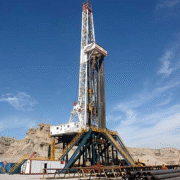
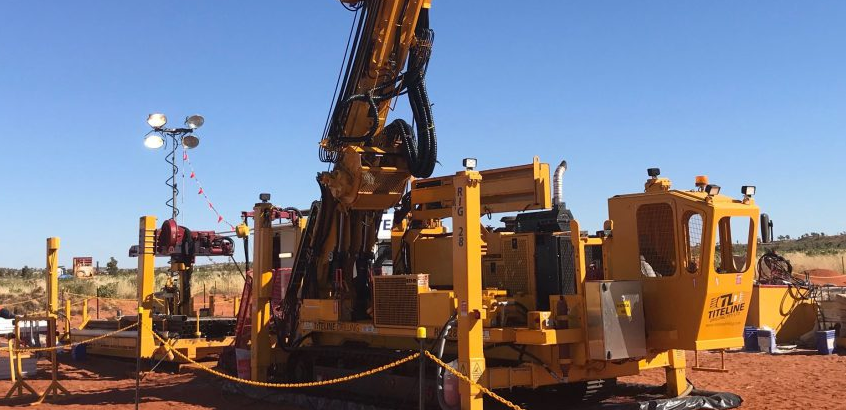
Vertical excavation pole

Comprehensive Guide to Drilling and Demolition Services in Melbourne, Australia

Comprehensive Guide to Drilling and Demolition Services in Melbourne, Australia

Understanding the ins and outs of demolition services in Melbourne and related construction processes offers remarkable advantages for anyone involved in building, renovating, or redeveloping properties. This comprehensive guide dives deep into the vital areas of drilling, demolition, and excavation work in Melbourne, presenting you with detailed information, practical tips, and expert insights. Whether you are a property owner, project manager, or construction professional, mastering these aspects can lead to safer, more efficient, and cost-effective projects. By the end of this post, you will be well-equipped to make informed decisions regarding demolition services in Melbourne and understand how excavation services intertwine with successful site preparation.

Understanding Drilling Techniques for Construction

Drilling forms the backbone of many construction ventures, providing the precision needed to create foundations, install utilities, and support larger structures. The variety of drilling techniques allows projects to adapt to different materials and conditions. Knowing these methods in detail helps you select the best approach tailored to your unique construction goals.

Types of Drilling Methods

Several drilling techniques have been developed to address the challenges posed by different construction environments and materials. Below is an overview of the most common ones:

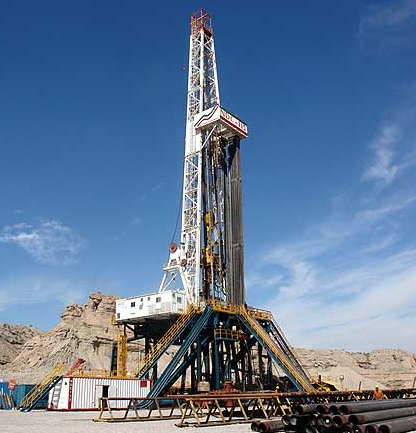
  • Rotary Drilling: This approach employs a rotating drill bit that grinds through hard surfaces like concrete and rock. It is widely used when precise, deep holes are necessary, such as in piling or deep foundation work. The rotary motion smooths the path, ensuring clean and accurate holes.
  • Hammer Drilling: Combining rotary action with powerful hammering, this technique breaks through very tough materials by delivering rapid blows. Hammer drilling is especially effective in demolition setups where reducing the integrity of structures selectively is key.
  • Core Drilling: By removing a cylindrical core of material, core drilling enables the extraction of samples useful for testing or installing utilities that require clean holes, such as pipes or cables. It is favored for geological surveys and when minimal disruption is desired.
  • Auger Drilling: Utilizing a screw-like bit, auger drilling is ideal for soil excavation to prepare foundations and landscaping. Its ability to handle softer earth materials with precision ensures that construction aligns well with soil conditions.
Excavation’s equipment

Excavation’s equipment

Grasping the differences and ideal applications of these drilling methods aids in matching the technique with your project needs, optimizing cost and time efficiency.

Applications of Drilling in Construction

Drilling is not a one-dimensional process but serves many purposes across construction projects:

  • Foundation Work: Drilling deep holes to install piles or supports stabilizes structures in challenging soil conditions or uneven terrains, essential for long-lasting buildings.
  • Utility Installation: Installing plumbing lines, electrical conduits, and HVAC systems often requires precise drilled pathways, allowing seamless integration without damaging the surrounding structures.
  • Site Preparation: Before any major building begins, drilling is used to assess soil stability and remove obstacles safely, ensuring the site meets structural requirements.
  • Demolition Projects: Controlled drilling allows demolition professionals to weaken key structural points gently, improving safety while minimizing collateral damage to adjacent areas.

These diverse applications highlight drilling’s vital contribution to efficiency, safety, and overall project viability.

Choosing the Right Drilling Technique

Careful selection of your drilling method plays a major role in task success. Important considerations include:

  • Material Type: Concrete, rock, soil, and metal each require distinct techniques. For example, rotary and hammer drilling suit hard surfaces, while auger drilling excels in soil.
  • Project Scale: Large infrastructural projects with complex needs often benefit from core drilling’s precision, whereas smaller jobs may find manual or simpler rotary drilling adequate.
  • Environmental Considerations: In sensitive areas, you must reduce noise, vibration, and environmental disturbance, influencing which method to use.
  • Budget Constraints: Your financial plan may prioritize cost-effective solutions, but remember to balance cheap choices against quality and long-term benefits.

Evaluating these factors methodically ensures you select the drilling method that meets your quality, safety, and cost requirements effectively.

Exploring Demolition Services and Their Importance

Demolition services in Melbourne are much more than just tearing down buildings. They play a vital role in urban redevelopment and construction cycles by safely and efficiently preparing sites for new life. Appreciating their scope and best practices makes a significant difference in project management and outcome.

Overview of Demolition Services in Melbourne

The demolition industry in Melbourne covers an array of specialized services:

  • Residential Demolitions: Removing old or unsafe homes to make way for new builds requires precise techniques that preserve neighboring properties.
  • Commercial Building Takedowns: Larger structures demand expert planning, because extensive safety and environmental compliance measures are necessary to guard public welfare.
  • Site Clearing and Preparation: Beyond demolishing buildings, clearing involves removing debris, vegetation, and rubble to prepare for construction groundwork.
  • Selective Interior Demolition: Sometimes only certain parts or interiors need removal, for example during renovations, without disturbing the external structure.

Each type calls for tailored approaches, advanced equipment, and skilled teams to ensure projects comply with strict legal and operational standards.

Safety Regulations and Compliance

Safety in demolition work cannot be overstated. Melbourne’s regulatory framework mandates rigorous controls to protect workers, surrounding residents, and the environment:

  • Site Assessments Before Demolition: Evaluations are performed to identify hazards such as asbestos and structural weaknesses.
  • Asbestos Management and Removal: Special licensing and protocols ensure hazardous materials are safely handled and disposed of.
  • Use of Personal Protective Equipment (PPE): Workers are required to wear suitable gear to prevent injury when operating machinery or handling debris.
  • Noise and Dust Control Measures: Techniques such as water spraying and sound barriers minimize disturbances to the community and comply with environmental laws.

Adhering to these regulations reduces risks and liability and fosters trust with clients and neighbors alike.

Environmental Considerations in Demolition

Modern demolition services in Melbourne increasingly embrace sustainable practices to reduce environmental impact:

  • Recycling Materials: Concrete, metals, bricks, and wood are sorted and recycled whenever possible, reducing landfill waste.
  • Proper Disposal of Hazardous Waste: Materials like asbestos, lead paint, and chemicals are processed according to strict guidelines to protect ecosystems.
  • Utilizing Eco-Friendly Equipment: Low-emission machines and efficient machinery help cut down carbon footprint during demolition.

Choosing demolition contractors that prioritize sustainability supports broader community health while aligning with global environmental objectives.

Excavation Services: The Backbone of Construction Projects

Excavation work in Melbourne sets the stage for every construction endeavor. Without thorough earth removal and site preparation, projects risk structural failures or costly delays. Understanding excavation from ground zero ensures smoother execution and better results.

What is Excavation Work in Melbourne?

Excavation involves moving soil, rock, or other materials to shape the land for construction foundations and infrastructure. Within Melbourne, contractors undertake various tasks including trench digging, site grading, and foundation excavation using powerful machinery. Proper excavation:

  • Stabilizes the ground to support buildings
  • Ensures effective drainage prevents water damage
  • Removes obstacles that can interfere with construction

Contracting experienced excavation services minimizes risks such as uneven settling or drainage problems, directly impacting the longevity and safety of the completed structure.

Types of Excavation Services

Excavation comes in several forms, depending on project scale and goals:

  • Residential Excavation: Tailored to small-scale projects like homes, including digging for basements, pools, and landscaping.
  • Commercial Excavation: Larger business or retail construction requires moving more earth and preparing complex substructures and parking areas.
  • Utility Excavation: Specialized trenching for water pipes, gas lines, and electrical cables essential in both new builds and maintenance.
  • Site Development: Comprehensive preparation including leveling, stabilizing soil, and grading before foundation laying.

Engaging the correct excavation type streamlines construction phases and prevents costly rework or damages.

Factors Affecting Excavation Costs

Budgeting for excavation work in Melbourne means acknowledging several influential variables:

  • Site Conditions: Rocky soil or buried obstacles require more time and heavy-duty equipment, increasing costs.
  • Project Size: The larger the area, the more resources and machinery are needed, naturally adding to expenditures.
  • Accessibility: Sites with limited access may require specialized machinery or manual labor, pushing prices higher.
  • Permits and Regulations: Securing legal permissions and adhering to environmental controls adds administrative and operational costs.

Thorough upfront cost planning aids in avoiding surprises and better allocation of funds throughout the project timeline.

Step-by-Step Guide to Planning Your Project

Breaking down drilling and demolition projects into clear stages can reduce stress, prevent costly oversights, and enhance deliverables. This step-by-step guide helps you organize your approach for construction success.

Assessing Your Site

Start with a detailed site evaluation to understand the conditions you will work with. Key considerations include:

  • Soil Composition: Testing soil type reveals whether it is sandy, clay-rich, rocky, or mixed, influencing equipment choice and foundation design.
  • Site Access: Determine if machines and workers can enter freely, or if terrain modifications are needed first.
  • Environmental Regulations: Research local guidelines to avoid infractions concerning noise, dust, or protected flora and fauna.

Spending time on this step prevents surprises during construction and saves money by planning for specific site needs.

Selecting a Qualified Service Provider

Picking the right drilling and demolition team directly affects safety, timeline, and quality. Use these markers:

  • Check Credentials: Confirm licenses, insurance coverage, and certifications to ensure professional standards.
  • Review Past Projects: Request portfolios or client references to assess capability in similar project types and sizes.
  • Ask for Quotes: Obtain multiple detailed proposals to compare costs, methods, and value offered.

Choosing experienced professionals reduces risks, builds confidence, and increases the likelihood of project success.

Budgeting for Drilling and Demolition Services

Effective financial planning is essential to keep projects on track. Your budget should cover:

  • Labor Costs: Skilled workforce wages vary depending on expertise and project complexity.
  • Equipment Rental: Machinery like drills, excavators, and safety gear rental costs add significantly to expenses.
  • Disposal Fees: Consider charges for waste transport, sorting, recycling, and landfill tipping where applicable.

By aggregating these costs upfront, you avoid financial surprises and can allocate resources wisely throughout the project cycle.

Further Resources and Tools for Effective Project Management

Utilizing specialized knowledge and digital tools enhances your control over drilling, demolition, and excavation projects. These resources support better planning, execution, and collaboration.

Recommended Reading on Drilling and Demolition

Expanding your knowledge base with expert literature can improve your understanding and problem-solving abilities:

  • “The Complete Guide to Demolition” – Covers industry standards, safety protocols, and technical methods comprehensively, perfect for those new and experienced alike.
  • “Drilling Techniques for Mining and Exploration” – Offers detailed explanations of drilling strategies applicable beyond mining, including construction settings.
  • “Construction Project Management” – Explains how to effectively manage timelines, budgets, and personnel in large-scale projects, integrating demolition and excavation phases.

Delving into these books provides a solid foundation to face common challenges with confidence and informed strategies.

Software Tools for Project Planning

Digital tools streamline communication and scheduling, making complex projects easier to manage. Consider:

  • Trello: A visual task management tool helpful for tracking each phase and responsibilities across your team.
  • Microsoft Project: Comprehensive software designed for in-depth project planning, resource management, and critical path tracking.
  • Asana: Facilitates team collaboration and open communication, keeping everyone aligned on deadlines and objectives.

These platforms help anticipate delays, optimize resource use, and foster transparency among stakeholders.

Connecting with Industry Professionals

Networking within the Melbourne drilling and demolition community benefits your knowledge and project resources:

  • Join Local Trade Associations: Groups such as the Australian Demolition Association provide access to industry news, training, and vetted professionals.
  • Attend Industry Conferences: Events like the Melbourne Construction and Demolition Expo offer opportunities to meet experts and discover innovations.
  • Participate in Online Forums: Engaging on platforms like LinkedIn and specialized construction forums encourages knowledge exchange and support.

Building these connections often leads to partnerships, insight sharing, and staying updated on regulatory changes or new technologies.

Moving Forward with Confidence in Melbourne’s Construction Landscape

Completing a successful drilling and demolition project in Melbourne relies on thorough preparation, informed decision-making, and trusted partnerships. Start by assessing your site carefully to determine the best drilling technique that suits the ground and material challenges. Choose demolition services in Melbourne that emphasize safety, compliance, and environmental responsibility, ensuring efficient and lawful operations. Budget realistically, accounting for labor, equipment, and waste disposal costs to avoid disruption during work phases. Harness knowledge through recommended literature and digital tools for enhanced project management, and don’t underestimate the value of connecting with industry professionals to stay current and supported.

Bookmark this guide as your reference point for planning, contracting, and executing drilling, demolition, and excavation work in Melbourne. Share it with colleagues, contractors, or anyone involved to spread reliable knowledge and raise project standards. Your feedback and experiences enrich the conversation around these essential services and help improve future content that targets the evolving construction landscape. Approaching these complex tasks armed with detailed understanding and practical tools places you in the strongest position to deliver safe, sustainable, and successful construction projects.

Best Hydro Excavation Company in Melbourne

Best Hydro Excavation Company in Melbourne

Melbourne is a city of constant activity, with construction and landscaping projects appearing around every corner. In such a dynamic environment, selecting the right excavation company isn’t just important—it’s essential for ensuring that projects run smoothly and safely. Hydro excavation has emerged as a favored method due to its precision, efficiency, and minimal impact on the surrounding environment. This article aims to evaluate the leading hydro excavation company in Melbourne, focusing on its services, reliability, and overall performance. By delving into this review, you’ll gain insights to make informed decisions regarding your excavation and landscaping needs, which may include concrete demolition and land clearing. Our focus is on quality and customer satisfaction, showcasing why this company excels in a competitive market.

Overview of Hydro Excavation Services

Definition and Benefits of Hydro Excavation

Hydro excavation is a non-destructive method that utilizes high-pressure water to break up soil and a powerful vacuum system to remove the debris. This technique is particularly effective for precise excavation work, especially in areas where traditional methods could pose risks to underground utilities and structures. One of the standout benefits of hydro excavation lies in its ability to significantly minimize soil disturbance, thereby protecting the integrity of surrounding vegetation and infrastructure.

Moreover, hydro excavation substantially reduces the risk of damaging buried utilities such as gas lines and electrical cables. This method enhances safety and efficiency, allowing projects to be completed quickly while requiring less labor. The accuracy of hydro excavation means operators can excavate to precise depths, leading to cost savings and a reduced environmental footprint.

Comparison with Traditional Excavation Methods

Hydro excavation stands in stark contrast to traditional digging techniques, such as the use of backhoes and shovels, which often disrupt the surrounding area and pose a higher risk of damaging existing utilities. Traditional methods typically produce significant soil displacement, which can lead to erosion and sedimentation issues.

Conversely, hydro excavation emphasizes precision and control. By utilizing water to soften the soil, operators can deftly navigate around delicate utilities without incurring accidental damage. This method also generates less noise and has a smaller environmental impact, making it a preferred option for urban and residential projects. Furthermore, the adaptability of hydro excavation equipment allows it to operate in confined spaces where traditional machinery may struggle.

Applications in Various Industries

Hydro excavation finds numerous applications across different sectors. In construction, it’s often employed for potholing—the practice of locating and exposing underground utilities prior to commencing work. This procedure is crucial for avoiding costly and hazardous utility strikes.

Municipal services benefit from hydro excavation for tasks such as trenching for sewer maintenance and installation, as well as repairing water mains. In urban settings where space is at a premium, this method’s precision is invaluable.

Furthermore, agriculture employs hydro excavation for land clearing and preparation, ensuring minimal disruption to the environment. Similarly, the telecommunications industry is leveraging hydro excavation to install fiber optic cables and other infrastructures, all while protecting existing utilities. As industries place greater emphasis on safety and efficiency, the demand for hydro excavation continues to rise, affirming its status as a preferred method.

Key Services Offered by the Featured Company

Detailed Exploration of Excavation Services in Melbourne

The featured company stands out in Melbourne for delivering high-quality excavation solutions tailored to meet various project requirements. Their services cover site preparation, trenching, and bulk earthmoving, ensuring that land is properly excavated and ready for subsequent construction phases.

Utilizing state-of-the-art machinery and advanced techniques, this company minimizes the risk of surrounding structural damage and adheres to strict timelines and budgets. Their skilled operators oversee projects to ensure compliance with local regulations and environmental guidelines. The emphasis on safety and efficiency differentiates them in the competitive Melbourne excavation market.

Concrete Demolition Melbourne: Techniques and Safety Standards

Concrete demolition requires a meticulous approach to ensure both effectiveness and safety. The featured company employs various techniques, such as hydraulic breakers and diamond wire saws, tailored to each project’s unique needs and surrounding environment.

Safety protocols are pivotal in their demolition processes. A thorough risk assessment is performed before work begins, and all workers are equipped with personal protective equipment (PPE). Strict safety protocols are enforced throughout the demolition phase. Adhering to industry best practices not only secures the crew but also protects the community and the environment.

Land Clearing Services: Importance and Process

Land clearing is vital for preparing a site for construction, agriculture, or landscaping. The company’s land clearing services in Melbourne focus on removing vegetation, debris, and obstacles, ensuring the site is compliant with zoning regulations.

The land clearing process usually includes several stages, starting with a thorough site assessment. Using heavy machinery, such as bulldozers, the area is cleared quickly and efficiently. The company prioritizes environmentally friendly practices, ensuring that any cleared vegetation is disposed of responsibly or recycled. This commitment aligns with the growing demand for sustainable construction practices.

bobbyexcavation

bobbyexcavation

Criteria for Choosing an Excavation Company

Evaluating Reliability and Reputation

Selecting an excavation company requires careful consideration of their reliability and reputation. A dependable company not only sticks to timelines but also adheres to safety regulations and project specifications. Longevity in the business often indicates a stable and experienced provider. Seeking recommendations from peers can yield valuable insights, as can checking for proper licensing and insurance.

Furthermore, assessing a company’s reputation can be accomplished through online platforms, where client testimonials and case studies often highlight their expertise. Engaging previous clients in conversation can provide a more authentic perspective on their experiences with the company.

Assessing Customer Satisfaction and Reviews

Customer satisfaction serves as a reliable indicator of an excavation company’s service quality. Investigating online reviews from reputable sites helps gauge overall ratings. Positive feedback reflects satisfaction with workmanship, communication, and professionalism.

However, it’s equally important to consider negative reviews. Evaluating how the company addresses criticism shows their commitment to customer service. Furthermore, asking past clients specific questions about project timelines and budget adherence can provide deeper insights into their level of satisfaction.

Understanding Pricing Structures and Value for Money

Pricing is also a crucial factor when selecting an excavation company. It’s important to comprehend the pricing structures they offer, which may range from flat rates to hourly charges based on project complexity. Requesting detailed quotes from multiple companies is wise for effective comparison.

Be wary of deals that seem too good to be true, as they may imply hidden costs or subpar service. Value for money should be a guiding principle—investing in a reputable company with proven satisfaction might yield far better long-term results than opting for the cheapest option.

Case Studies and Success Stories

Notable Projects in Melbourne

Hydro excavation has revolutionized the excavation approach in Melbourne, offering safe alternatives to traditional digging. One standout project took place in South Yarra, involving the installation of underground utilities. Precise excavation methods were crucial to avoid disrupting existing infrastructure, and using hydro excavation allowed the team to meet this challenge successfully.

Another noteworthy project occurred in Melbourne’s Central Business District, where major road upgrades necessitated careful excavation around sensitive areas. Hydro excavation preserved the site’s integrity, significantly reducing noise and dust pollution while garnering praise from both local councils and the community for its efficiency.

Customer Testimonials and Feedback

Feedback from clients highlights hydro excavation’s advantages. A project manager expressed, “Using hydro excavation changed our game entirely. The precision eliminated unexpected issues, and safety measures were top-notch.” Similarly, a residential developer noted that choosing hydro excavation during site preparation kept their project on track with minimal delays, showcasing the operational benefits of the method.

Impact of Hydro Excavation on Project Outcomes

The integration of hydro excavation has markedly improved project outcomes across various sectors in Melbourne. One significant advantage is the reduction in project timelines—less damage leads to fewer delays. The lower labor costs associated with hydro excavation further enhance its appeal.

The environmental benefits underscore this method’s worth. With minimal disruption and reduced contamination risks, projects align better with environmental regulations. A contractor remarked, “Switching to hydro excavation improved our workflow and aligned us with green initiatives.” The effectiveness of hydro excavation continually reinforces its reputation as the premier choice for excavation needs.

Industry Standards and Compliance

Regulatory Requirements for Excavation Services

Excavation services adhere to a comprehensive regulatory framework that ensures safety, efficiency, and environmental protection. Companies in Melbourne must comply with the Work Health and Safety Act, which necessitates safe operations to minimize risks. The Environmental Protection Authority (EPA) mandates regulations related to waste management and resource protection for excavation activities.

Before starting work, companies must secure the necessary permits to ensure compliance with local zoning laws. Regular inspections assess adherence to these standards, as non-compliance can lead to significant penalties.

Safety Protocols Followed by the Company

Safety underpins hydro excavation operations. The featured company implements rigorous protocols to protect workers and the environment. Regular training helps employees grasp best practices for operating equipment and handling emergencies. All crew members wear personal protective equipment to reduce injury risks.

Pre-operation safety checks ensure equipment functions correctly, enhancing overall safety during projects. Emergency response plans allow the company to address potential incidents swiftly. By cultivating a culture of safety, the company not only complies with industry standards but also promotes safe operations.

Environmental Considerations in Hydro Excavation

The hydro excavation method is inherently eco-friendly. It reduces soil disturbance, noise, and emissions, aligning with the construction industry’s push toward sustainability. The company adopts responsible waste management practices, ensuring excavated materials are disposed of properly, which protects the local ecosystem.

The nuanced installation processes of hydro excavation aim to preserve the environment, furthering the commitment to fostering a sustainable community while meeting excavation needs.

Conclusion

Hydro excavation has transformed the excavation landscape in Melbourne, providing a safe, efficient, and environmentally responsible approach to digging and utility maintenance. The featured company’s comprehensive service offerings—spanning site preparation, trenching, and concrete demolition—showcase the versatility and precision of hydro excavation techniques. When selecting an excavation partner, one must weigh reliability, safety compliance, and customer feedback to ensure a successful project outcome. Additionally, adherence to industry standards and regulatory requirements reaffirms the commitment to maintaining high safety and environmental benchmarks. The positive case studies and client testimonials further highlight hydro excavation as a method that minimizes disruptions while maximizing operational efficiency. As services continue to grow in demand, hydro excavation will play a critical role in supporting sustainable development practices in Melbourne, contributing significantly to infrastructure advancement while protecting the natural environment.

excavation work in melbourne

Excavation work in Melbourne serves as the backbone of the city’s expansive infrastructure, playing an essential role in various construction projects. As Melbourne continues to grow and evolve, the demand for skilled excavation services increases. Renowned companies like Bobby Excavations lead the industry by providing expert solutions that ensure construction projects proceed safely and efficiently. The significance of professional excavation work cannot be overstated, as it lays the groundwork for developments ranging from residential homes to large-scale commercial buildings. This blog will discuss excavation techniques, the challenges faced by excavation companies, and innovative solutions currently shaping the industry. A firm understanding of these aspects highlights the importance of skilled excavation in an ever-evolving urban environment.

Understanding Excavation Techniques

Types of Excavation Methods

Excavation methods are pivotal in determining how soil and materials are removed from a construction site. One of the most common techniques is cut and fill excavation, where material excavated from one area is used to raise another, creating a level base for construction. Such techniques are commonly employed in landscape design and road construction.

Trenching is another widely used method, characterized by narrow and deep excavations typically aimed at laying utilities like water pipes, sewer lines, or electrical cables. These operations require meticulous planning to ensure the safety and stability of the excavation site.

Shallow excavations generally span depths of less than 1.5 meters, making them suitable for foundational work in residential buildings. Conversely, deep excavations are needed for larger structures, involving depths that can extend several meters. Such excavations often necessitate advanced engineering techniques to maintain safety and stability.

The hydraulic excavation method employs high-pressure water jets to dislodge soil, proving effective in soft or loose earth conditions. This particular method is especially useful in underwater excavation or in areas where traditional machinery may struggle to operate.

Equipment Used in Excavation

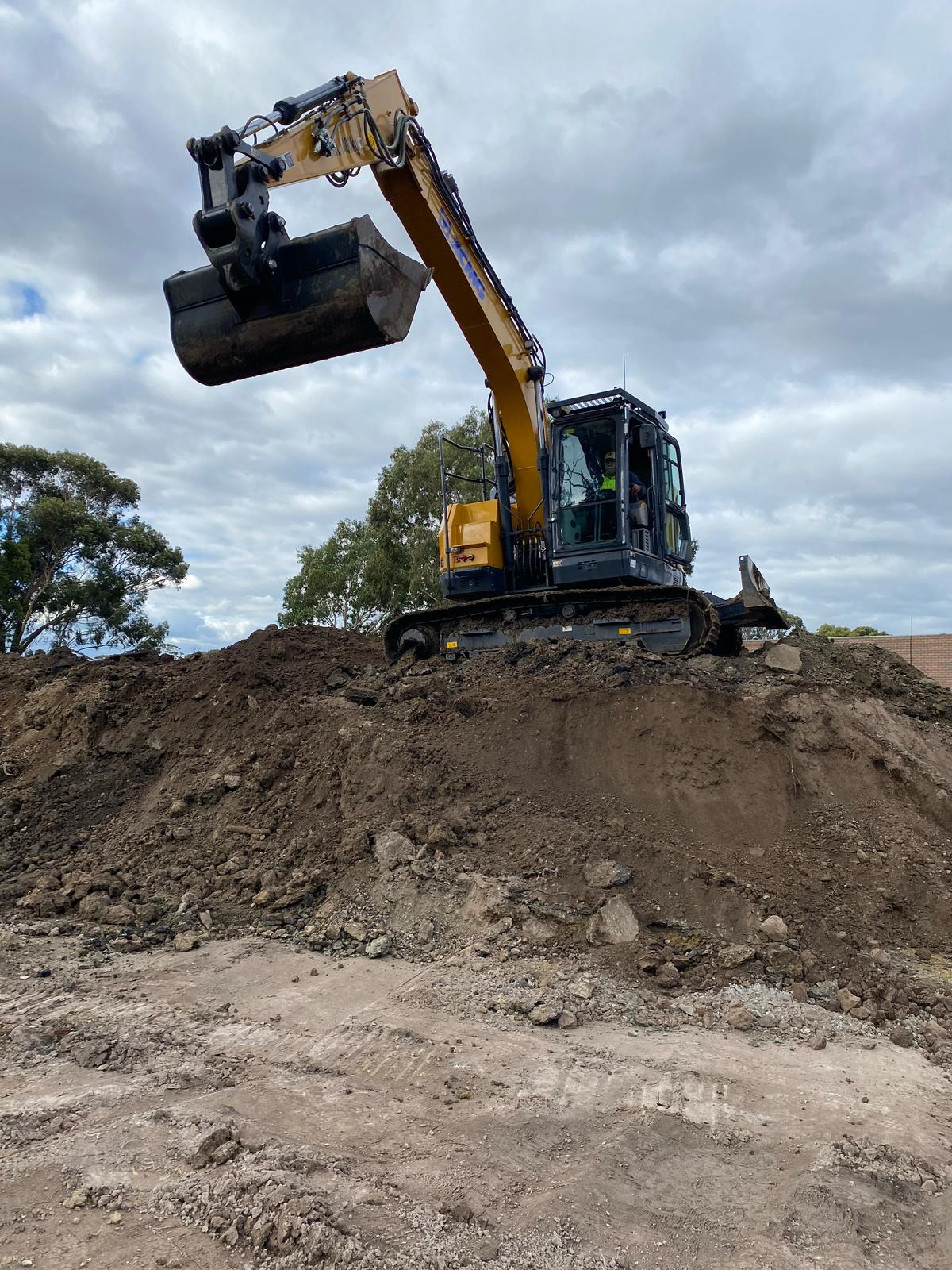
Various types of machinery are essential for efficient and safe excavation work. The most recognizable piece of equipment is the excavator, known for its adaptability and depth-digging capabilities. From mini-excavators suited for smaller jobs to large-scale machinery for heavy-duty tasks, excavators play a crucial role in most excavation projects.

Bulldozers, another essential machine, are primarily used for swiftly moving large volumes of soil. Their powerful blades enable grading and leveling, which are critical processes in site preparation.

Backhoes combine the functions of a loader and an excavator, making them ideal for smaller projects, particularly in urban settings with limited space. Their design allows for precise digging and effective material handling.

Dump trucks are indispensable for transporting excavated materials, while compactors ensure stability for filled areas. Safety gear, including helmets and reflective vests, remains vital for protecting workers on-site.

excavation work in melbourne

excavation work in melbourne

Safety Protocols in Excavation Work

When it comes to excavation, safety is paramount in preventing accidents and injuries. The first step involves conducting a comprehensive site assessment, which identifies soil conditions and potential hazards, followed by the formulation of a safety plan tailored to the specific site.

Implementing shoring techniques for deep excavations is critical for preventing cave-ins, utilizing supports that stabilize excavation walls and protect workers.

Establishing a clear communication strategy among team members is also vital. Regular safety meetings and briefings help increase awareness of potential risks and the precautions taken to mitigate them.

Ensuring all workers wear appropriate personal protective equipment (PPE) is non-negotiable. Hard hats, steel-toed boots, and high-visibility clothing are essential for safeguarding workers in potentially hazardous environments.

It is also crucial to conduct regular inspections of equipment to identify issues before they result in accidents. By adhering to safety protocols, excavation projects can progress efficiently while minimizing risks to workers and the environment.

The Role of Excavation in Construction Projects

Foundation Preparation

Excavation work serves as a fundamental component of foundation preparation for any construction project. Creating a stable base that can support the structure is the primary goal during this phase. The depth of excavation varies based on design specifications and local soil conditions. In Melbourne, where soil composition differs across regions, excavation contractors must conduct thorough soil testing to determine the correct depth and foundation type needed.

A critical aspect of this process involves planning proper drainage systems, with a trench for footings typically wider than the foundation to allow secure concrete pouring. This attention to detail is vital in preventing settling or shifting of structures, which can lead to significant damage later. Efficient management of excavated materials—whether reusing them on-site or removing them—also ensures that projects stay within budget and on schedule.

Site Grading and Land Clearing

Site grading and land clearing fundamentally prepare the construction area for development. Grading entails leveling the ground and shaping the land to direct water drainage, which is essential for preventing erosion and water accumulation around foundations. Knowledgeable excavation teams employ specialized equipment, like graders and bulldozers, to achieve the desired topography, ensuring land sloping channels water away from structures.

Land clearing, which often follows grading, involves removing trees, shrubs, and debris to create a visually appealing and safe construction area. This process diminishes the risk of pest infestation and facilitates a secure work environment. In densely populated urban regions like Melbourne, efficient land clearing techniques are crucial to optimize usable land while adhering to environmental regulations.

Utility Installation and Maintenance

Excavation is also integral to installing and maintaining utilities. Before constructing foundations, excavation teams must ensure proper installation of essential services like water, electricity, and sewage. This process typically requires digging trenches for safeguarding pipes and cables underground, protecting them from external factors.

Over time, regular maintenance of utilities becomes necessary. As construction unfolds, excavation might be needed for accessing and repairing existing utility lines or adjusting layouts to accommodate new infrastructure. In mature urban settings like Melbourne, where intricate utility configurations exist, excavation contractors must remain vigilant regarding utility maps to confirm that services are unaffected, preventing unwarranted expenses.

Challenges Faced by Excavation Companies

Environmental Regulations and Compliance

Excavation companies in Melbourne face an ever-evolving landscape of environmental regulations. Compliance with local, state, and federal laws is crucial not only for legal operation but also for maintaining public trust. Companies must adhere to guidelines set by the Environment Protection Authority (EPA), which includes minimizing pollution and protecting local ecosystems. Non-compliance can result in significant fines and project delays.

Companies often need to conduct environmental assessments before commencing any excavation work. These assessments help gauge the potential ecosystem impact and determine required mitigation strategies, complicating project planning while demanding time and resources.

Dealing with Underground Utilities

The presence of underground utilities presents a formidable challenge for excavation companies. In Melbourne, where urban infrastructure can be complex and densely packed, accidental damage to utilities during excavation can result in disruption of services, safety hazards, and expensive repairs. To mitigate these risks, excavation teams must conduct thorough utility surveys and may even employ advanced technology such as ground-penetrating radar (GPR) for accurate identification of buried structures.

Weather and Site Conditions

The unpredictable nature of Melbourne’s weather, combined with various site conditions, poses significant challenges for excavation companies. Heavy rain or extreme heat can delay project timelines. Rainfall can lead to water accumulation in trenches and create hazardous conditions, complicating excavation activities.

Moreover, soil type and topography can significantly affect excavation processes. Handling rocky or unstable soils may require specialized machinery and prolong project duration. Excavation companies must remain adaptable in implementing contingency plans to overcome adverse weather and site issues.

Innovations in Excavation Work

Use of Technology in Excavation

The excavation industry has been transformed by integrating advanced technologies. The adoption of GPS (Global Positioning System) technology allows for meticulous location tracking and measurements, ensuring accuracy in site preparation and reducing errors that could lead to costly rework.

Moreover, embracing 3D modeling software has revolutionized planning for excavation projects. This technology allows for virtual visualization of the site before initiating work, enabling teams to anticipate challenges and optimize methods while efficiently allocating resources.

The rise of automated machinery, including excavators embedded with sensors and artificial intelligence, further enhances operational productivity. These machines can carry out repetitive tasks, improving overall accuracy and decreasing labor costs. For tasks like trenching, autonomous excavators facilitate swift progress while allowing skilled operators to focus on more complex aspects of the project.

Sustainable Practices in Excavation

There is an increasing emphasis on sustainability in the excavation industry. Companies are implementing strategies to recycle excavated materials, such as reusing soil for landscaping or repurposing gravel for new projects. This approach not only reduces landfill waste but also minimizes the environmental impact associated with extracting new materials.

Investing in eco-friendly machinery that ensures lower emissions and reduced fuel consumption is becoming common. Hybrid and electric excavators present viable alternatives to traditional equipment, effectively lowering the carbon footprint.

Water management is another critical aspect of sustainable excavation. Effective erosion control and sedimentation basins very much protect local waterways from pollution during excavation activities, signifying a commitment to environmental responsibility.

Future Trends in the Excavation Industry

As technology advances, the excavation industry is poised for even greater transformations. One anticipated trend is the growing use of drones for site surveying and monitoring. Drones can efficiently gather high-resolution imagery and data, allowing teams to assess project progress in real time, enhancing efficiency and reducing timelines.

Another promising direction lies in integrating Building Information Modeling (BIM) into excavation projects, enabling collaborative efforts among architects, engineers, and contractors, leading to improved accuracy and coordination.

Finally, the shift toward smart cities will demand innovative excavation practices. The evolution of infrastructure to support advanced technologies will require excavation teams to adapt, possibly involving the installation of subterranean utilities for data networks and renewable energy projects.

Choosing the Right Excavation Company

Factors to Consider When Hiring

Selecting the right excavation company demands careful consideration of several factors to ensure an informed decision. First, confirm the company’s relevant experience and expertise; a firm with a solid track record is more likely to manage specific project requirements efficiently.

Consider the range of services offered as well. Some companies focus on residential projects, while others concentrate on commercial or specific excavation types. It’s essential to find a company that aligns with your project needs.

Evaluate the company’s safety record and adherence to industry regulations, as a trustworthy excavation firm prioritizes safety measures for their workers and job sites. Verify certifications and compliance with safety standards.

Additionally, assess the company’s licensing and insurance. A legitimate excavation company must have appropriate licenses to operate legally, protecting your investment and providing peace of mind during excavation.

Finally, consider their reputation within the community. Online reviews and client testimonials can offer insights into service quality and customer satisfaction, aiding in a comprehensive decision-making process.

Benefits of Hiring Bobby Excavations

Bobby Excavations is a premier choice for excavation services in Melbourne, boasting extensive experience across diverse sectors. This knowledge enhances their efficiency and ensures compliance with local regulations, making them a reliable partner for construction projects.

The company utilizes state-of-the-art equipment, enhancing the precision of their work while ensuring projects are completed swiftly, minimizing disruptions to clients. Bobby Excavations is also committed to customer service, collaborating closely with clients to ensure their visions are realized and exceeding expectations.

Maintaining a focus on safety is paramount. Regular safety training and adequate safety gear for personnel minimize risks on-site, creating a reliable option for residential and commercial excavation projects.

Client Testimonials and Case Studies

Clients have consistently reported satisfaction with Bobby Excavations’ services. A homeowner recently expressed their appreciation, stating, “The team exceeded my expectations—everything was done professionally and efficiently, finishing ahead of schedule!” This feedback highlights their commitment to quality work.

In a successful case study involving a large commercial excavation project, the project manager noted, “Bobby Excavations displayed exceptional skill and meticulous attention to detail. Their communication throughout the process made it seamless.” Such testimonials demonstrate the company’s ability to navigate complex projects effectively.

Clients often commend the firm for their transparency in pricing and timelines. One client emphasized that Bobby Excavations provided clear quotes and timelines, adhering to budgetary expectations without any surprise costs. This reliability promotes trust and solidifies the reputation of Bobby Excavations in the marketplace.

Conclusion

Excavation work is fundamental in shaping Melbourne’s construction and urban development landscape. It influences not only construction efficiency and safety but also underpins the city’s ever-expanding infrastructure. With technology and techniques including trenching and GPS utilization, excavation professionals lay the foundation for essential utilities and structures, addressing the needs of a growing population while promoting sustainability. The challenges faced—ranging from adherence to environmental regulations to underground utility complexities—underscore the need for reputable excavation partners like Bobby Excavations. As Melbourne continues its evolution, the commitment of excavation services to advanced practices and eco-friendly solutions will significantly contribute to creating resilient urban environments, ensuring the city thrives for generations to come.

Excavation

Introduction to excavation services in Melbourne

Demolition and excavation services in Melbourne need special skills and it is important to want a good company to do it. We will explain all the points in excavation.

Historical and Modern Background of Excavation

Excavation has been used as one of the main stages of construction since ancient times. In ancient civilizations such as Egypt, Rome, and Mesopotamia, building huge buildings and complex infrastructures required primitive excavation techniques. For example, the construction of the Egyptian pyramids required the removal of a huge volume of soil and rock, which indicates the use of primitive excavation methods at that time. In modern times, excavation in Melbourne is carried out using advanced technologies and heavy machinery such as excavators, bulldozers, and drilling machines. These modern tools and techniques have made it possible to carry out excavations more accurately, faster, and safer. In addition, the improvement of the accuracy and efficiency of the excavation process depends on using modern technologies such as intelligent monitoring systems and computer simulations.

excavation services in Melbourne

excavation services in Melbourne


Excavation is a fundamental step in the construction process in which soil, rock, and other materials are removed from the ground to create a suitable space for constructing foundations and underground structures. Today, with the increasing population in urban environments the construction of high-rise buildings and the need to provide common areas and parking, deep and semi-deep excavations have attracted the attention of builders. Excavation is considered one of the most important steps in any construction project due to its direct impact on the strength and durability of the structure. This step provides a suitable bed for the foundation and substructure of the structures and also plays an important role in groundwater management and the stability of the structures.

Equipment used

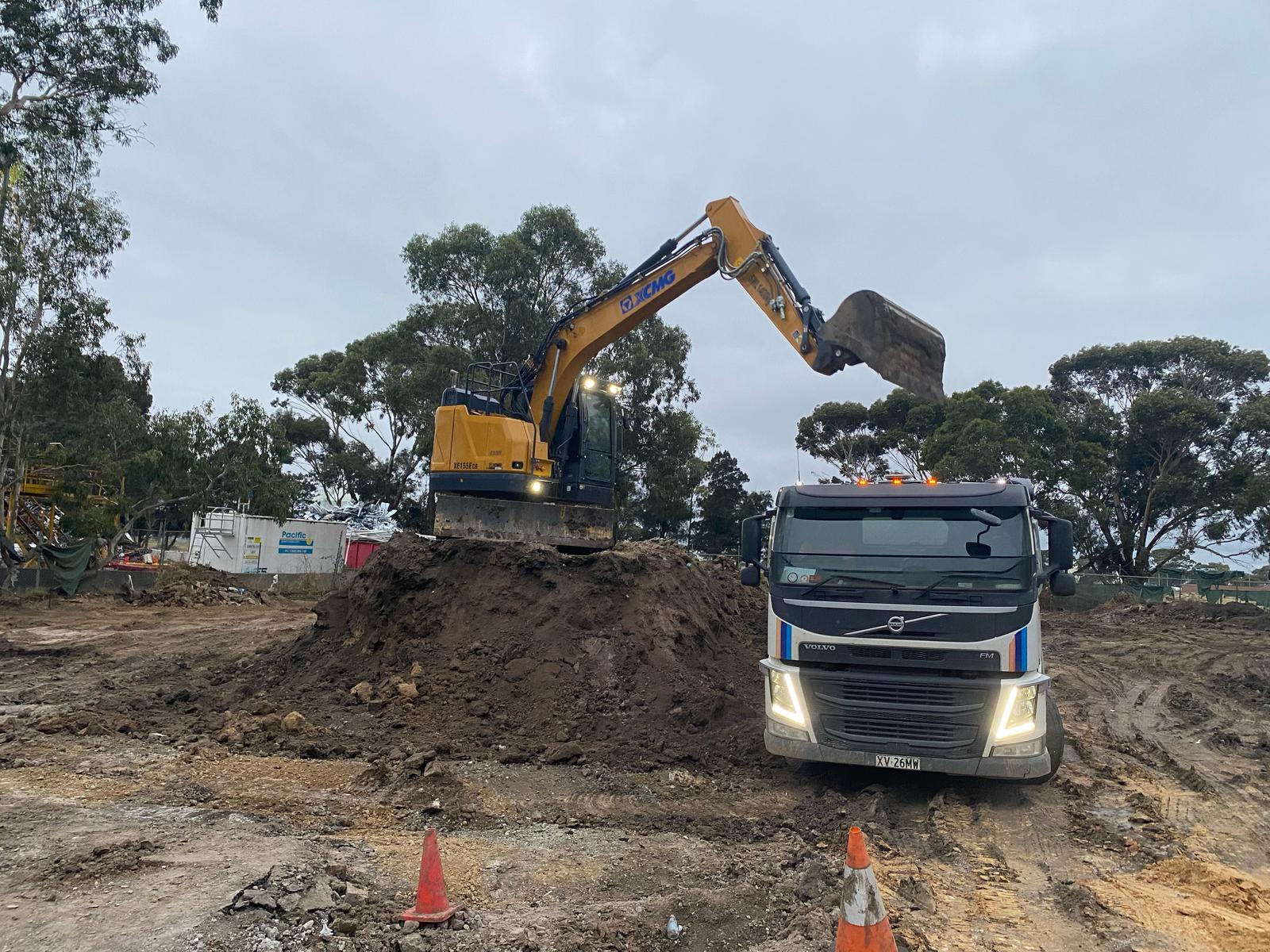
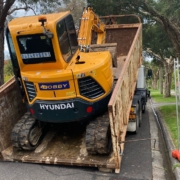
For excavation services in Melbourne, machines such as excavators, mini excavators, long-mast excavators, cranes, buckets for carrying soil, tower cranes, double-deck trucks, single-deck trucks, etc. should be used. At the beginning of the deep excavation project, excavators are used to level the ground, remove panels, and prepare to stabilize different parts of the wall. During the night shift, these excavators are used to complete the loading of soil into the soil-carrying machines. For projects with easy access, ten-wheel trucks are used to carry a larger volume of soil and speed up the work. Lighter machines such as mini excavators are used for smaller projects and smaller volumes of soil. On the other hand, for large projects, these machines are used to regulate the bottom of the pit and other such tasks.


Ask professionals for demolition in the Melbourne area

Very important principles of excavation services in Melbourne that must be followed before starting work:

  1. Adequate knowledge of the soil in the area to determine the soil resistance is one of the most important principles of excavation.
  2. Identifying the location of underground facilities.
  3. Cutting off water, gas, and electricity in cooperation with relevant organizations. 4. Notifying the nearby fire station to prevent possible service interruption.
  4. Accurately identifying the condition of nearby buildings and adopting appropriate solutions to make them safe.
  5. Informing residents near the excavation with safety issues and warnings related to the time of immediate evacuation.


Be careful of unprincipled excavation.

Unprincipled excavation services in Melbourne have always been at the top of the news for years due to non-compliance with the law. In the implementation of excavation, many people are responsible, including the employer who is required to obtain the specifications of the adjacent properties from the municipality. In general, the building owner, design engineer, executive engineer, contractor, and supervising engineer are the four main characters in the implementation of an excavation. If any of these do not perform their duties properly and excavation is carried out unprincipled, it can lead to an accident.

Standard excavation

Standard excavation


For excavation services in Melbourne, after having the specifications of the adjacent properties, the designer must conduct an initial assessment of the excavation risk and complete a list of these risks, followed by evaluating the effects of the excavation on the adjacent building and providing the construction drawings to the builder. After the design, it is the builder’s turn and the builder begins the excavation based on the designer’s drawings and complies with the existing regulations. If excavation is carried out in an unprincipled manner and any damage is caused to surrounding buildings, individuals can file a case with the legal authorities. Other dangers of unprincipled excavation include the following:

  • Workers or pedestrians falling from a height
  • Danger to equipment and property inside and outside the pit
  • Ensuring the safety of people inside and outside the pit
  • Poisoning of people, often due to breathing toxic fumes and gases
  • Lack of oxygen leading to suffocation
  • Falling debris and wall collapse
  • Collision with underground facilities and causing damage


When do we need building excavation specialists?

Very old buildings in Australia may need to be demolished for several reasons, such as weak foundations, major repairs, changes in government regulations, or changes in use. As a result, demolition, and excavation of buildings are among the cases that require excavation specialists to carry out. Also, for the construction of structures that have negative floors, excavation operations and the presence of these specialists are required. Bobbyexcavations will inform you about the methods of carrying out the excavation services in Melbourne before starting the excavation and will inform you of the time required to complete the excavation operation. Also, by visiting the project, we can understand how many workers are required and how much the excavation will cost. The implementation details are stated in a contract along with all agreements and mutual obligations.

Among the obligations of our company in excavation services in Melbourne are the following: A detailed examination of the facilities and buildings around the pit to carry out protective measures Using a helmet and special shoes when in the pit Maintaining a standard distance from excavation machinery and equipment for people inside the pit Maintaining a minimum distance of 1.5 meters from the neighboring wall as an earthen shoulder and preparing it properly Implementing an appropriate guard structure according to the type of land and soil as well as the depth of the excavation.


Excavation and demolition services in Melbourne area Australia

Demolition and excavation services in Melbourne needs special skills and it is important to want a good company to do it. We will explain all the points in excavation.

Demolition and excavation

Excavation is considered one of the most basic stages in constructing any building. These stages must be carried out with sufficient sensitivity and accuracy. In the demolition or excavation stage, to prepare the desired surface, important points should be paid attention to, including the volume of soil in the building, the lateral slope of the land, compliance with construction principles and laws, and the condition of the surrounding buildings. Usually, in most construction projects, contracting companies use industrial equipment and industrial machinery such as excavators or mini excavators, etc. to carry out demolition, excavation, and excavation operations.

During the excavation services in Melbourne, the land will be prepared for the building’s construction. If we carry out the excavation operations correctly, the building we build will be resistant to weather factors and natural disasters such as floods, earthquakes, rain, etc. Finally, the soil will be ready for the foundation. In general, excavation consists of 2 stages: cutting and filling. As the name suggests, cutting can remove soils from an area and reduce their height; but in the filling stage, the soils are compacted in an area until the ground reaches sufficient strength.

Demolition methods and excavation services in Melbourne

The stages of building an apartment start from the excavation and foundation stage and continue until the construction of the skeleton and internal repairs. The foundation of the building bears the entire weight of the construction, so more sensitivity is required in the foundation. Supervising engineers are required to carry out a principled and correct foundation operation and perform proper excavation operations. At this stage, you are required to follow all the laws and principles of construction to have a healthy building without loss of life and property. As we said earlier, in the initial stages, or the foundation of the building, it is better to seek help from an expert.

In principle, supervisory groups can better manage the condition of the building and prepare it. If you can carry out all the principles in succession and without a time gap, a more desirable result will be achieved. At this stage, you should pay attention to points such as the type of soil, the amount of soil volume, the depth of the project, etc. The first step to starting any work is surveying and planning for the work, which is done by a surveying engineering specialist. Some buildings require a clear map and route due to irregular slopes or unprincipled and old designs.

Excavation and demolition services in Melbourne area Australia

Excavation and demolition services in Melbourne area Australia


Different methods for excavating

Horizontal method

One of the demolition and excavation services in Melbourne for land with a small area is the horizontal method. This method is usually suitable for buildings that do not need to create underground floors or parking lots. In the horizontal method, a shovel or pickaxe is used for embankment and excavation and there is no need for advanced equipment. However, if the soil has a granular surface, the horizontal method is used; in other words, the horizontal method is used for excavation. A cheaper and more economical method in horizontal excavation is vertical strain. In the vertical strain method, the walls are placed in parallel.

Vertical method

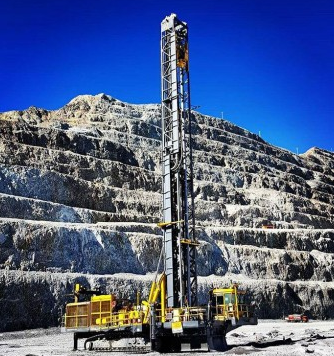
Vertical excavation services in Melbourne are the most common method of building demolition and excavation. In this method, excavators are located more than 16 feet deep. However, vertical excavation is only necessary when the project location is not suitable and access is impossible. Such cases are mostly used in densely populated metropolitan areas. For larger projects where there is a slope, they use factors that do not cause soil changes, because the soil flow changes in response to rain and weather factors, and ultimately the excavation process is disrupted.

In more sensitive conditions such as the vertical excavation method, the contractor of excavation services in Melbourne is responsible for regularly checking the condition of the ground and soil surface. In large buildings that require more extensive excavation, a combination of vertical and horizontal excavation methods is used. It should be noted that the excavation in this method has reduced the stability of the walls.

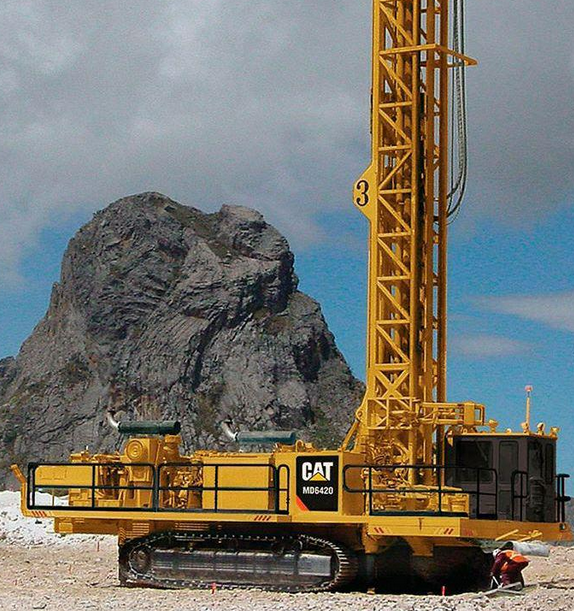
Vertical excavation pole

Vertical excavation pole

Other excavation methods

Another common method in excavation and demolition is molding. In this method, molding is used to create strength in different places. In the molding method, as in previous excavation methods, there is no need for structural supports. The slope required in the molding method is created as an extension in the same direction. Using this method has a positive effect when the soil has a high stability; such as clay soil. Of course, if the soil is more than 20 feet deep, protective measures must be taken.

In another method the company uses suction devices to remove excess soil. This method is one of the safest and most standard excavation methods available. There are other methods in excavation operations aimed at cleaning water from the surface of the earth, this method is called dewatering. Using this method, excess water is taken from the ground surface and removed from the desired area. This method is used for structures that want to prevent water from penetrating. In these situations, temporary devices are used to prevent water from penetrating the project surface. In the water extraction method, we need to examine the depth of the water, the amount of water fluctuations, and the type of land and soil. The water extraction stage is carried out after excavation. At this stage, the necessary protective measures will be taken to prevent accidents; this is why it is recommended to entrust the excavation of buildings to experts and experienced people.

Excavation in Melbourne

Our company, as one of the leading companies in the field of excavation services in Melbourne, is ready to serve our valued customers. All our demolition and excavation services in the Melbourne area are carried out with the most modern equipment and in compliance with all safety precautions. By adhering to standards, we reduce the accident rate during demolition and excavation as much as possible and we strive to carry out the desired excavation area with minimal damage to adjacent buildings. Trust bobbyexcavations company for excavation services in Australia.

bobbyexcavation

bobbyexcavation