
excavation work in melbourne
Excavation work in Melbourne serves as the backbone of the city’s expansive infrastructure, playing an essential role in various construction projects. As Melbourne continues to grow and evolve, the demand for skilled excavation services increases. Renowned companies like Bobby Excavations lead the industry by providing expert solutions that ensure construction projects proceed safely and efficiently. The significance of professional excavation work cannot be overstated, as it lays the groundwork for developments ranging from residential homes to large-scale commercial buildings. This blog will discuss excavation techniques, the challenges faced by excavation companies, and innovative solutions currently shaping the industry. A firm understanding of these aspects highlights the importance of skilled excavation in an ever-evolving urban environment.
Understanding Excavation Techniques
Types of Excavation Methods
Excavation methods are pivotal in determining how soil and materials are removed from a construction site. One of the most common techniques is cut and fill excavation, where material excavated from one area is used to raise another, creating a level base for construction. Such techniques are commonly employed in landscape design and road construction.
Trenching is another widely used method, characterized by narrow and deep excavations typically aimed at laying utilities like water pipes, sewer lines, or electrical cables. These operations require meticulous planning to ensure the safety and stability of the excavation site.
Shallow excavations generally span depths of less than 1.5 meters, making them suitable for foundational work in residential buildings. Conversely, deep excavations are needed for larger structures, involving depths that can extend several meters. Such excavations often necessitate advanced engineering techniques to maintain safety and stability.
The hydraulic excavation method employs high-pressure water jets to dislodge soil, proving effective in soft or loose earth conditions. This particular method is especially useful in underwater excavation or in areas where traditional machinery may struggle to operate.
Equipment Used in Excavation
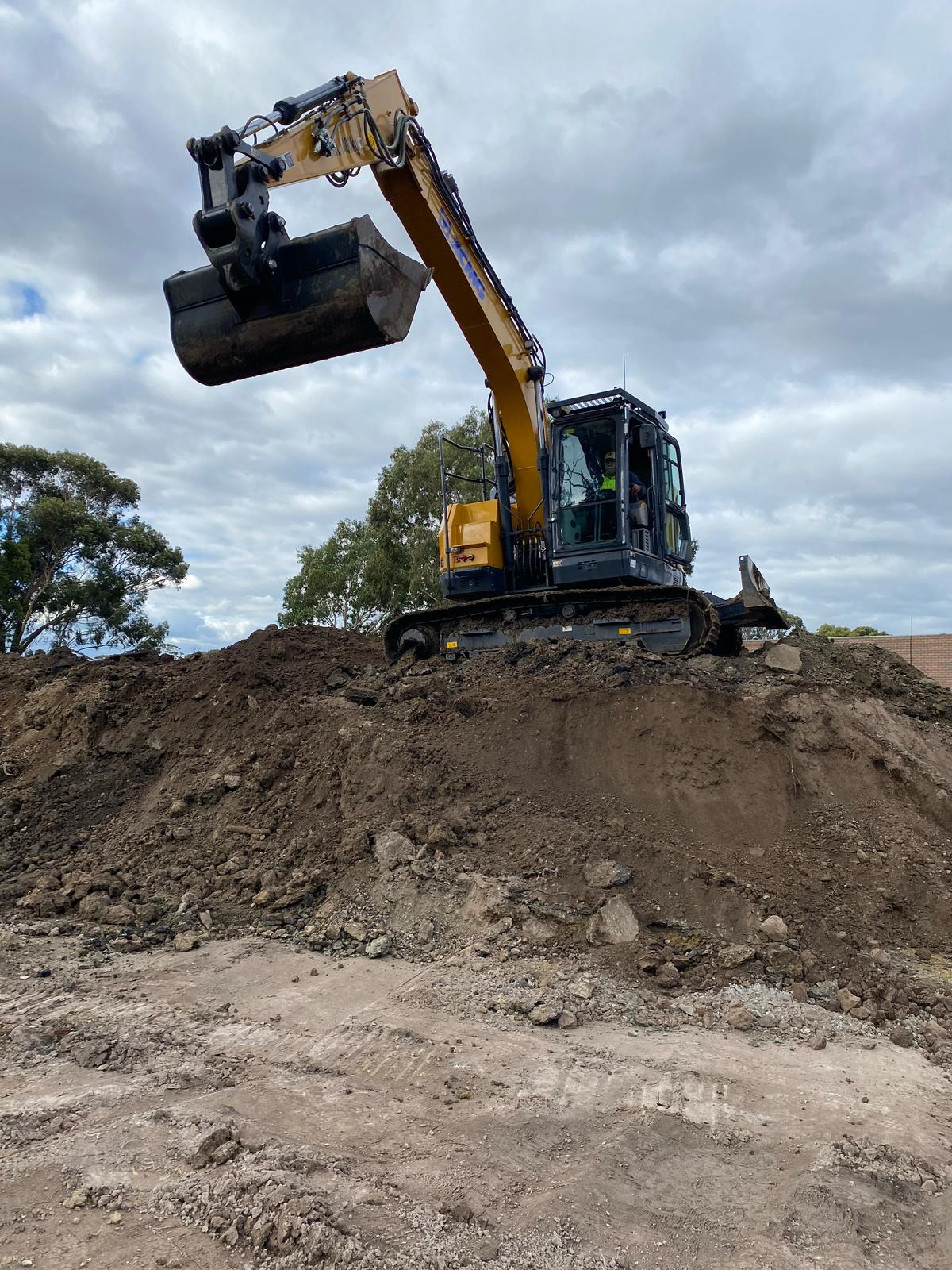
Various types of machinery are essential for efficient and safe excavation work. The most recognizable piece of equipment is the excavator, known for its adaptability and depth-digging capabilities. From mini-excavators suited for smaller jobs to large-scale machinery for heavy-duty tasks, excavators play a crucial role in most excavation projects.
Bulldozers, another essential machine, are primarily used for swiftly moving large volumes of soil. Their powerful blades enable grading and leveling, which are critical processes in site preparation.
Backhoes combine the functions of a loader and an excavator, making them ideal for smaller projects, particularly in urban settings with limited space. Their design allows for precise digging and effective material handling.
Dump trucks are indispensable for transporting excavated materials, while compactors ensure stability for filled areas. Safety gear, including helmets and reflective vests, remains vital for protecting workers on-site.
excavation work in melbourne
Safety Protocols in Excavation Work
When it comes to excavation, safety is paramount in preventing accidents and injuries. The first step involves conducting a comprehensive site assessment, which identifies soil conditions and potential hazards, followed by the formulation of a safety plan tailored to the specific site.
Implementing shoring techniques for deep excavations is critical for preventing cave-ins, utilizing supports that stabilize excavation walls and protect workers.
Establishing a clear communication strategy among team members is also vital. Regular safety meetings and briefings help increase awareness of potential risks and the precautions taken to mitigate them.
Ensuring all workers wear appropriate personal protective equipment (PPE) is non-negotiable. Hard hats, steel-toed boots, and high-visibility clothing are essential for safeguarding workers in potentially hazardous environments.
It is also crucial to conduct regular inspections of equipment to identify issues before they result in accidents. By adhering to safety protocols, excavation projects can progress efficiently while minimizing risks to workers and the environment.
The Role of Excavation in Construction Projects
Foundation Preparation
Excavation work serves as a fundamental component of foundation preparation for any construction project. Creating a stable base that can support the structure is the primary goal during this phase. The depth of excavation varies based on design specifications and local soil conditions. In Melbourne, where soil composition differs across regions, excavation contractors must conduct thorough soil testing to determine the correct depth and foundation type needed.
A critical aspect of this process involves planning proper drainage systems, with a trench for footings typically wider than the foundation to allow secure concrete pouring. This attention to detail is vital in preventing settling or shifting of structures, which can lead to significant damage later. Efficient management of excavated materials—whether reusing them on-site or removing them—also ensures that projects stay within budget and on schedule.
Site Grading and Land Clearing
Site grading and land clearing fundamentally prepare the construction area for development. Grading entails leveling the ground and shaping the land to direct water drainage, which is essential for preventing erosion and water accumulation around foundations. Knowledgeable excavation teams employ specialized equipment, like graders and bulldozers, to achieve the desired topography, ensuring land sloping channels water away from structures.
Land clearing, which often follows grading, involves removing trees, shrubs, and debris to create a visually appealing and safe construction area. This process diminishes the risk of pest infestation and facilitates a secure work environment. In densely populated urban regions like Melbourne, efficient land clearing techniques are crucial to optimize usable land while adhering to environmental regulations.
Utility Installation and Maintenance
Excavation is also integral to installing and maintaining utilities. Before constructing foundations, excavation teams must ensure proper installation of essential services like water, electricity, and sewage. This process typically requires digging trenches for safeguarding pipes and cables underground, protecting them from external factors.
Over time, regular maintenance of utilities becomes necessary. As construction unfolds, excavation might be needed for accessing and repairing existing utility lines or adjusting layouts to accommodate new infrastructure. In mature urban settings like Melbourne, where intricate utility configurations exist, excavation contractors must remain vigilant regarding utility maps to confirm that services are unaffected, preventing unwarranted expenses.
Challenges Faced by Excavation Companies
Environmental Regulations and Compliance
Excavation companies in Melbourne face an ever-evolving landscape of environmental regulations. Compliance with local, state, and federal laws is crucial not only for legal operation but also for maintaining public trust. Companies must adhere to guidelines set by the Environment Protection Authority (EPA), which includes minimizing pollution and protecting local ecosystems. Non-compliance can result in significant fines and project delays.
Companies often need to conduct environmental assessments before commencing any excavation work. These assessments help gauge the potential ecosystem impact and determine required mitigation strategies, complicating project planning while demanding time and resources.
Dealing with Underground Utilities
The presence of underground utilities presents a formidable challenge for excavation companies. In Melbourne, where urban infrastructure can be complex and densely packed, accidental damage to utilities during excavation can result in disruption of services, safety hazards, and expensive repairs. To mitigate these risks, excavation teams must conduct thorough utility surveys and may even employ advanced technology such as ground-penetrating radar (GPR) for accurate identification of buried structures.
Weather and Site Conditions
The unpredictable nature of Melbourne’s weather, combined with various site conditions, poses significant challenges for excavation companies. Heavy rain or extreme heat can delay project timelines. Rainfall can lead to water accumulation in trenches and create hazardous conditions, complicating excavation activities.
Moreover, soil type and topography can significantly affect excavation processes. Handling rocky or unstable soils may require specialized machinery and prolong project duration. Excavation companies must remain adaptable in implementing contingency plans to overcome adverse weather and site issues.
Innovations in Excavation Work
Use of Technology in Excavation
The excavation industry has been transformed by integrating advanced technologies. The adoption of GPS (Global Positioning System) technology allows for meticulous location tracking and measurements, ensuring accuracy in site preparation and reducing errors that could lead to costly rework.
Moreover, embracing 3D modeling software has revolutionized planning for excavation projects. This technology allows for virtual visualization of the site before initiating work, enabling teams to anticipate challenges and optimize methods while efficiently allocating resources.
The rise of automated machinery, including excavators embedded with sensors and artificial intelligence, further enhances operational productivity. These machines can carry out repetitive tasks, improving overall accuracy and decreasing labor costs. For tasks like trenching, autonomous excavators facilitate swift progress while allowing skilled operators to focus on more complex aspects of the project.
Sustainable Practices in Excavation
There is an increasing emphasis on sustainability in the excavation industry. Companies are implementing strategies to recycle excavated materials, such as reusing soil for landscaping or repurposing gravel for new projects. This approach not only reduces landfill waste but also minimizes the environmental impact associated with extracting new materials.
Investing in eco-friendly machinery that ensures lower emissions and reduced fuel consumption is becoming common. Hybrid and electric excavators present viable alternatives to traditional equipment, effectively lowering the carbon footprint.
Water management is another critical aspect of sustainable excavation. Effective erosion control and sedimentation basins very much protect local waterways from pollution during excavation activities, signifying a commitment to environmental responsibility.
Future Trends in the Excavation Industry
As technology advances, the excavation industry is poised for even greater transformations. One anticipated trend is the growing use of drones for site surveying and monitoring. Drones can efficiently gather high-resolution imagery and data, allowing teams to assess project progress in real time, enhancing efficiency and reducing timelines.
Another promising direction lies in integrating Building Information Modeling (BIM) into excavation projects, enabling collaborative efforts among architects, engineers, and contractors, leading to improved accuracy and coordination.
Finally, the shift toward smart cities will demand innovative excavation practices. The evolution of infrastructure to support advanced technologies will require excavation teams to adapt, possibly involving the installation of subterranean utilities for data networks and renewable energy projects.
Choosing the Right Excavation Company
Factors to Consider When Hiring
Selecting the right excavation company demands careful consideration of several factors to ensure an informed decision. First, confirm the company’s relevant experience and expertise; a firm with a solid track record is more likely to manage specific project requirements efficiently.
Consider the range of services offered as well. Some companies focus on residential projects, while others concentrate on commercial or specific excavation types. It’s essential to find a company that aligns with your project needs.
Evaluate the company’s safety record and adherence to industry regulations, as a trustworthy excavation firm prioritizes safety measures for their workers and job sites. Verify certifications and compliance with safety standards.
Additionally, assess the company’s licensing and insurance. A legitimate excavation company must have appropriate licenses to operate legally, protecting your investment and providing peace of mind during excavation.
Finally, consider their reputation within the community. Online reviews and client testimonials can offer insights into service quality and customer satisfaction, aiding in a comprehensive decision-making process.
Benefits of Hiring Bobby Excavations
Bobby Excavations is a premier choice for excavation services in Melbourne, boasting extensive experience across diverse sectors. This knowledge enhances their efficiency and ensures compliance with local regulations, making them a reliable partner for construction projects.
The company utilizes state-of-the-art equipment, enhancing the precision of their work while ensuring projects are completed swiftly, minimizing disruptions to clients. Bobby Excavations is also committed to customer service, collaborating closely with clients to ensure their visions are realized and exceeding expectations.
Maintaining a focus on safety is paramount. Regular safety training and adequate safety gear for personnel minimize risks on-site, creating a reliable option for residential and commercial excavation projects.
Client Testimonials and Case Studies
Clients have consistently reported satisfaction with Bobby Excavations’ services. A homeowner recently expressed their appreciation, stating, “The team exceeded my expectations—everything was done professionally and efficiently, finishing ahead of schedule!” This feedback highlights their commitment to quality work.
In a successful case study involving a large commercial excavation project, the project manager noted, “Bobby Excavations displayed exceptional skill and meticulous attention to detail. Their communication throughout the process made it seamless.” Such testimonials demonstrate the company’s ability to navigate complex projects effectively.
Clients often commend the firm for their transparency in pricing and timelines. One client emphasized that Bobby Excavations provided clear quotes and timelines, adhering to budgetary expectations without any surprise costs. This reliability promotes trust and solidifies the reputation of Bobby Excavations in the marketplace.
Conclusion
Excavation work is fundamental in shaping Melbourne’s construction and urban development landscape. It influences not only construction efficiency and safety but also underpins the city’s ever-expanding infrastructure. With technology and techniques including trenching and GPS utilization, excavation professionals lay the foundation for essential utilities and structures, addressing the needs of a growing population while promoting sustainability. The challenges faced—ranging from adherence to environmental regulations to underground utility complexities—underscore the need for reputable excavation partners like Bobby Excavations. As Melbourne continues its evolution, the commitment of excavation services to advanced practices and eco-friendly solutions will significantly contribute to creating resilient urban environments, ensuring the city thrives for generations to come.



Leave a Reply
Want to join the discussion?Feel free to contribute!