Comprehensive Guide to Drilling and Demolition Services in Melbourne, Australia
Comprehensive Guide to Drilling and Demolition Services in Melbourne, Australia
Understanding the ins and outs of demolition services in Melbourne and related construction processes offers remarkable advantages for anyone involved in building, renovating, or redeveloping properties. This comprehensive guide dives deep into the vital areas of drilling, demolition, and excavation work in Melbourne, presenting you with detailed information, practical tips, and expert insights. Whether you are a property owner, project manager, or construction professional, mastering these aspects can lead to safer, more efficient, and cost-effective projects. By the end of this post, you will be well-equipped to make informed decisions regarding demolition services in Melbourne and understand how excavation services intertwine with successful site preparation.
Understanding Drilling Techniques for Construction
Drilling forms the backbone of many construction ventures, providing the precision needed to create foundations, install utilities, and support larger structures. The variety of drilling techniques allows projects to adapt to different materials and conditions. Knowing these methods in detail helps you select the best approach tailored to your unique construction goals.
Types of Drilling Methods
Several drilling techniques have been developed to address the challenges posed by different construction environments and materials. Below is an overview of the most common ones:
- Rotary Drilling: This approach employs a rotating drill bit that grinds through hard surfaces like concrete and rock. It is widely used when precise, deep holes are necessary, such as in piling or deep foundation work. The rotary motion smooths the path, ensuring clean and accurate holes.
- Hammer Drilling: Combining rotary action with powerful hammering, this technique breaks through very tough materials by delivering rapid blows. Hammer drilling is especially effective in demolition setups where reducing the integrity of structures selectively is key.
- Core Drilling: By removing a cylindrical core of material, core drilling enables the extraction of samples useful for testing or installing utilities that require clean holes, such as pipes or cables. It is favored for geological surveys and when minimal disruption is desired.
- Auger Drilling: Utilizing a screw-like bit, auger drilling is ideal for soil excavation to prepare foundations and landscaping. Its ability to handle softer earth materials with precision ensures that construction aligns well with soil conditions.
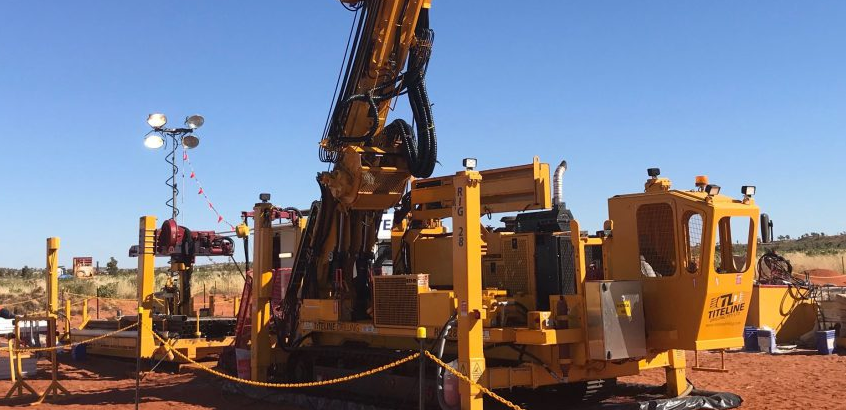
Excavation’s equipment
Grasping the differences and ideal applications of these drilling methods aids in matching the technique with your project needs, optimizing cost and time efficiency.
Applications of Drilling in Construction
Drilling is not a one-dimensional process but serves many purposes across construction projects:
- Foundation Work: Drilling deep holes to install piles or supports stabilizes structures in challenging soil conditions or uneven terrains, essential for long-lasting buildings.
- Utility Installation: Installing plumbing lines, electrical conduits, and HVAC systems often requires precise drilled pathways, allowing seamless integration without damaging the surrounding structures.
- Site Preparation: Before any major building begins, drilling is used to assess soil stability and remove obstacles safely, ensuring the site meets structural requirements.
- Demolition Projects: Controlled drilling allows demolition professionals to weaken key structural points gently, improving safety while minimizing collateral damage to adjacent areas.
These diverse applications highlight drilling’s vital contribution to efficiency, safety, and overall project viability.
Choosing the Right Drilling Technique
Careful selection of your drilling method plays a major role in task success. Important considerations include:
- Material Type: Concrete, rock, soil, and metal each require distinct techniques. For example, rotary and hammer drilling suit hard surfaces, while auger drilling excels in soil.
- Project Scale: Large infrastructural projects with complex needs often benefit from core drilling’s precision, whereas smaller jobs may find manual or simpler rotary drilling adequate.
- Environmental Considerations: In sensitive areas, you must reduce noise, vibration, and environmental disturbance, influencing which method to use.
- Budget Constraints: Your financial plan may prioritize cost-effective solutions, but remember to balance cheap choices against quality and long-term benefits.
Evaluating these factors methodically ensures you select the drilling method that meets your quality, safety, and cost requirements effectively.
Exploring Demolition Services and Their Importance
Demolition services in Melbourne are much more than just tearing down buildings. They play a vital role in urban redevelopment and construction cycles by safely and efficiently preparing sites for new life. Appreciating their scope and best practices makes a significant difference in project management and outcome.
Overview of Demolition Services in Melbourne
The demolition industry in Melbourne covers an array of specialized services:
- Residential Demolitions: Removing old or unsafe homes to make way for new builds requires precise techniques that preserve neighboring properties.
- Commercial Building Takedowns: Larger structures demand expert planning, because extensive safety and environmental compliance measures are necessary to guard public welfare.
- Site Clearing and Preparation: Beyond demolishing buildings, clearing involves removing debris, vegetation, and rubble to prepare for construction groundwork.
- Selective Interior Demolition: Sometimes only certain parts or interiors need removal, for example during renovations, without disturbing the external structure.
Each type calls for tailored approaches, advanced equipment, and skilled teams to ensure projects comply with strict legal and operational standards.
Safety Regulations and Compliance
Safety in demolition work cannot be overstated. Melbourne’s regulatory framework mandates rigorous controls to protect workers, surrounding residents, and the environment:
- Site Assessments Before Demolition: Evaluations are performed to identify hazards such as asbestos and structural weaknesses.
- Asbestos Management and Removal: Special licensing and protocols ensure hazardous materials are safely handled and disposed of.
- Use of Personal Protective Equipment (PPE): Workers are required to wear suitable gear to prevent injury when operating machinery or handling debris.
- Noise and Dust Control Measures: Techniques such as water spraying and sound barriers minimize disturbances to the community and comply with environmental laws.
Adhering to these regulations reduces risks and liability and fosters trust with clients and neighbors alike.
Environmental Considerations in Demolition
Modern demolition services in Melbourne increasingly embrace sustainable practices to reduce environmental impact:
- Recycling Materials: Concrete, metals, bricks, and wood are sorted and recycled whenever possible, reducing landfill waste.
- Proper Disposal of Hazardous Waste: Materials like asbestos, lead paint, and chemicals are processed according to strict guidelines to protect ecosystems.
- Utilizing Eco-Friendly Equipment: Low-emission machines and efficient machinery help cut down carbon footprint during demolition.
Choosing demolition contractors that prioritize sustainability supports broader community health while aligning with global environmental objectives.
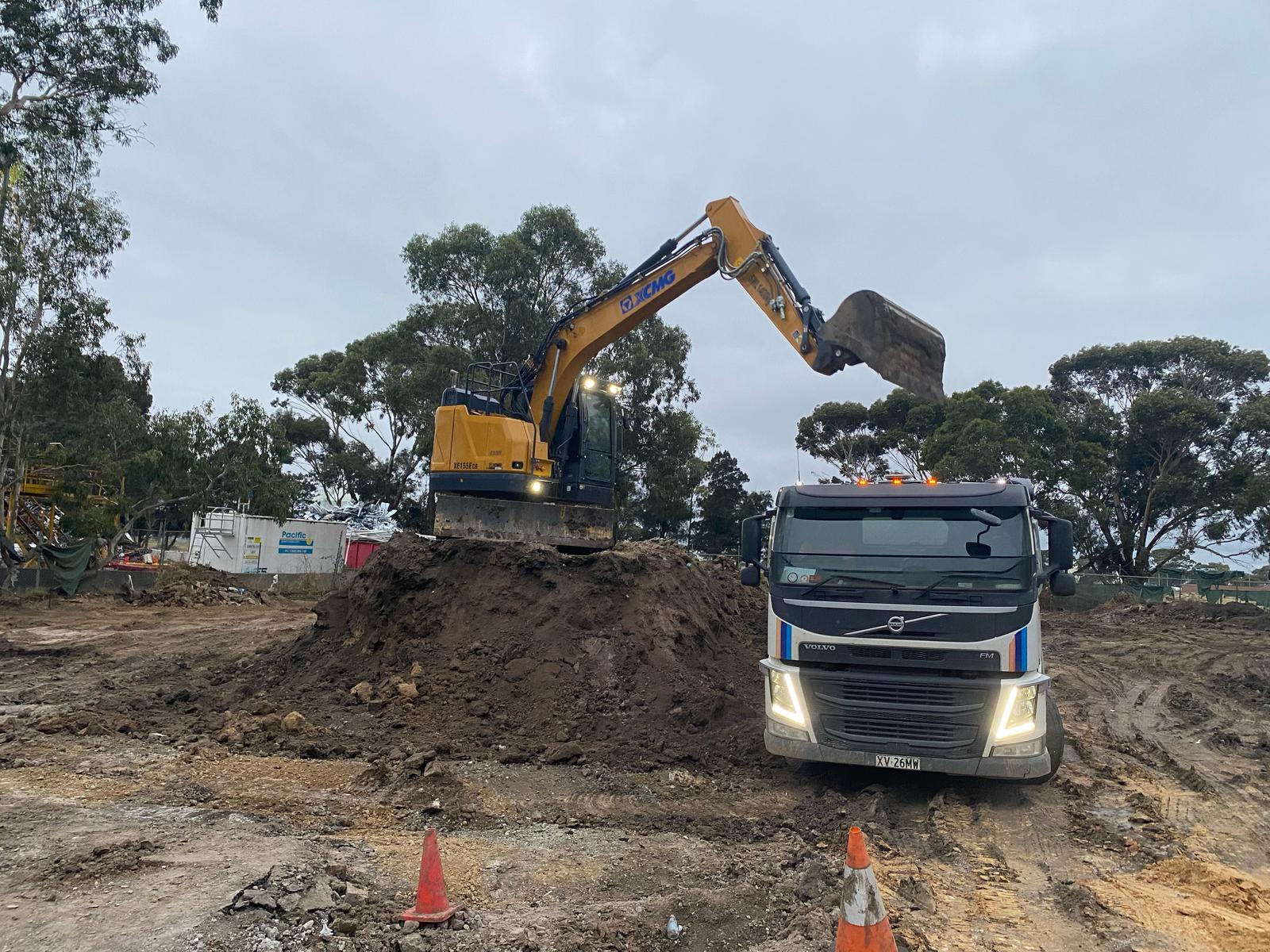
Excavation Services: The Backbone of Construction Projects
Excavation work in Melbourne sets the stage for every construction endeavor. Without thorough earth removal and site preparation, projects risk structural failures or costly delays. Understanding excavation from ground zero ensures smoother execution and better results.
What is Excavation Work in Melbourne?
Excavation involves moving soil, rock, or other materials to shape the land for construction foundations and infrastructure. Within Melbourne, contractors undertake various tasks including trench digging, site grading, and foundation excavation using powerful machinery. Proper excavation:
- Stabilizes the ground to support buildings
- Ensures effective drainage prevents water damage
- Removes obstacles that can interfere with construction
Contracting experienced excavation services minimizes risks such as uneven settling or drainage problems, directly impacting the longevity and safety of the completed structure.
Types of Excavation Services
Excavation comes in several forms, depending on project scale and goals:
- Residential Excavation: Tailored to small-scale projects like homes, including digging for basements, pools, and landscaping.
- Commercial Excavation: Larger business or retail construction requires moving more earth and preparing complex substructures and parking areas.
- Utility Excavation: Specialized trenching for water pipes, gas lines, and electrical cables essential in both new builds and maintenance.
- Site Development: Comprehensive preparation including leveling, stabilizing soil, and grading before foundation laying.
Engaging the correct excavation type streamlines construction phases and prevents costly rework or damages.
Factors Affecting Excavation Costs
Budgeting for excavation work in Melbourne means acknowledging several influential variables:
- Site Conditions: Rocky soil or buried obstacles require more time and heavy-duty equipment, increasing costs.
- Project Size: The larger the area, the more resources and machinery are needed, naturally adding to expenditures.
- Accessibility: Sites with limited access may require specialized machinery or manual labor, pushing prices higher.
- Permits and Regulations: Securing legal permissions and adhering to environmental controls adds administrative and operational costs.
Thorough upfront cost planning aids in avoiding surprises and better allocation of funds throughout the project timeline.
Step-by-Step Guide to Planning Your Project
Breaking down drilling and demolition projects into clear stages can reduce stress, prevent costly oversights, and enhance deliverables. This step-by-step guide helps you organize your approach for construction success.
Assessing Your Site
Start with a detailed site evaluation to understand the conditions you will work with. Key considerations include:
- Soil Composition: Testing soil type reveals whether it is sandy, clay-rich, rocky, or mixed, influencing equipment choice and foundation design.
- Site Access: Determine if machines and workers can enter freely, or if terrain modifications are needed first.
- Environmental Regulations: Research local guidelines to avoid infractions concerning noise, dust, or protected flora and fauna.
Spending time on this step prevents surprises during construction and saves money by planning for specific site needs.
Selecting a Qualified Service Provider
Picking the right drilling and demolition team directly affects safety, timeline, and quality. Use these markers:
- Check Credentials: Confirm licenses, insurance coverage, and certifications to ensure professional standards.
- Review Past Projects: Request portfolios or client references to assess capability in similar project types and sizes.
- Ask for Quotes: Obtain multiple detailed proposals to compare costs, methods, and value offered.
Choosing experienced professionals reduces risks, builds confidence, and increases the likelihood of project success.
Budgeting for Drilling and Demolition Services
Effective financial planning is essential to keep projects on track. Your budget should cover:
- Labor Costs: Skilled workforce wages vary depending on expertise and project complexity.
- Equipment Rental: Machinery like drills, excavators, and safety gear rental costs add significantly to expenses.
- Disposal Fees: Consider charges for waste transport, sorting, recycling, and landfill tipping where applicable.
By aggregating these costs upfront, you avoid financial surprises and can allocate resources wisely throughout the project cycle.

Further Resources and Tools for Effective Project Management
Utilizing specialized knowledge and digital tools enhances your control over drilling, demolition, and excavation projects. These resources support better planning, execution, and collaboration.
Recommended Reading on Drilling and Demolition
Expanding your knowledge base with expert literature can improve your understanding and problem-solving abilities:
- “The Complete Guide to Demolition” – Covers industry standards, safety protocols, and technical methods comprehensively, perfect for those new and experienced alike.
- “Drilling Techniques for Mining and Exploration” – Offers detailed explanations of drilling strategies applicable beyond mining, including construction settings.
- “Construction Project Management” – Explains how to effectively manage timelines, budgets, and personnel in large-scale projects, integrating demolition and excavation phases.
Delving into these books provides a solid foundation to face common challenges with confidence and informed strategies.
Software Tools for Project Planning
Digital tools streamline communication and scheduling, making complex projects easier to manage. Consider:
- Trello: A visual task management tool helpful for tracking each phase and responsibilities across your team.
- Microsoft Project: Comprehensive software designed for in-depth project planning, resource management, and critical path tracking.
- Asana: Facilitates team collaboration and open communication, keeping everyone aligned on deadlines and objectives.
These platforms help anticipate delays, optimize resource use, and foster transparency among stakeholders.
Connecting with Industry Professionals
Networking within the Melbourne drilling and demolition community benefits your knowledge and project resources:
- Join Local Trade Associations: Groups such as the Australian Demolition Association provide access to industry news, training, and vetted professionals.
- Attend Industry Conferences: Events like the Melbourne Construction and Demolition Expo offer opportunities to meet experts and discover innovations.
- Participate in Online Forums: Engaging on platforms like LinkedIn and specialized construction forums encourages knowledge exchange and support.
Building these connections often leads to partnerships, insight sharing, and staying updated on regulatory changes or new technologies.
Moving Forward with Confidence in Melbourne’s Construction Landscape
Completing a successful drilling and demolition project in Melbourne relies on thorough preparation, informed decision-making, and trusted partnerships. Start by assessing your site carefully to determine the best drilling technique that suits the ground and material challenges. Choose demolition services in Melbourne that emphasize safety, compliance, and environmental responsibility, ensuring efficient and lawful operations. Budget realistically, accounting for labor, equipment, and waste disposal costs to avoid disruption during work phases. Harness knowledge through recommended literature and digital tools for enhanced project management, and don’t underestimate the value of connecting with industry professionals to stay current and supported.
Bookmark this guide as your reference point for planning, contracting, and executing drilling, demolition, and excavation work in Melbourne. Share it with colleagues, contractors, or anyone involved to spread reliable knowledge and raise project standards. Your feedback and experiences enrich the conversation around these essential services and help improve future content that targets the evolving construction landscape. Approaching these complex tasks armed with detailed understanding and practical tools places you in the strongest position to deliver safe, sustainable, and successful construction projects.


Leave a Reply
Want to join the discussion?Feel free to contribute!